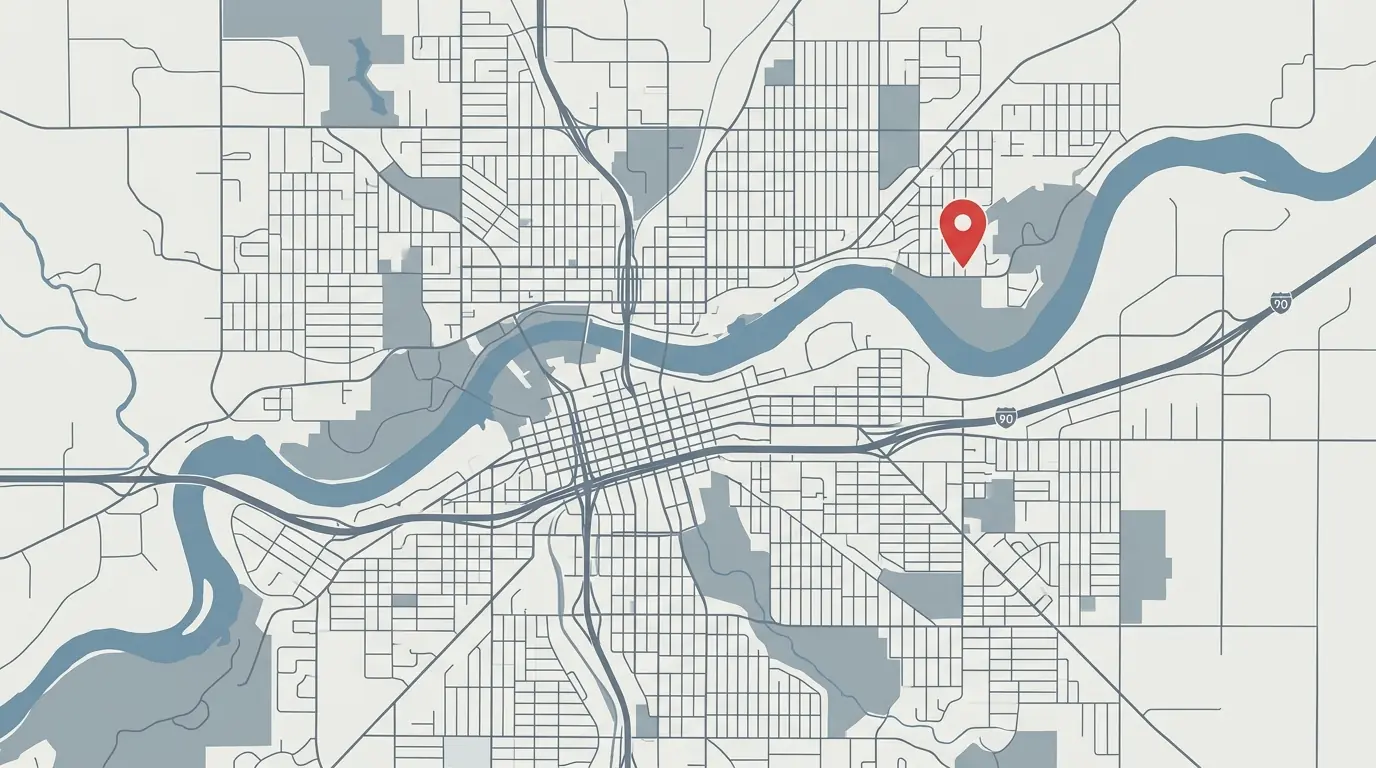
- 97°FSpokane's August 2026 peak
- 88°FA typical summer high
- 26°FA typical winter low
- -10°FWhat severe winters can reach
Radon in Spokane homes: testing it and bringing it down
Spokane sits in the EPA's highest radon zone, and a state report found most county houses at or above the action level. You cannot see or smell it, so a test is the only way to know where your home stands.
- Answered 24/7
- Diagnosis before parts
- Written price first
NBy Nell Bradshaw, HVAC Guides Editor · Updated September 2026
Quick answerSpokane, Stevens, Pend Oreille and Okanogan counties are EPA radon Zone 1, and the EPA recommends fixing any home that tests at 4 pCi/L or higher. Test the lowest lived-in floor with the house closed up. If the result is high, a sub-slab or crawlspace fan system usually brings it well below the action level.
Why Spokane has a radon problem
Radon is a radioactive gas from uranium in rock and soil. The geology of northeast Washington produces a lot of it: Spokane, Stevens, Pend Oreille, Okanogan and Ferry counties are all EPA Zone 1, the highest predicted category, while Lincoln County to the west is Zone 2.
A state report found 60 percent of Spokane County houses at or above 4 picocuries per liter. Radon levels vary house to house even on the same street, which is why the EPA says every home should be tested regardless of zone.
How to test your house
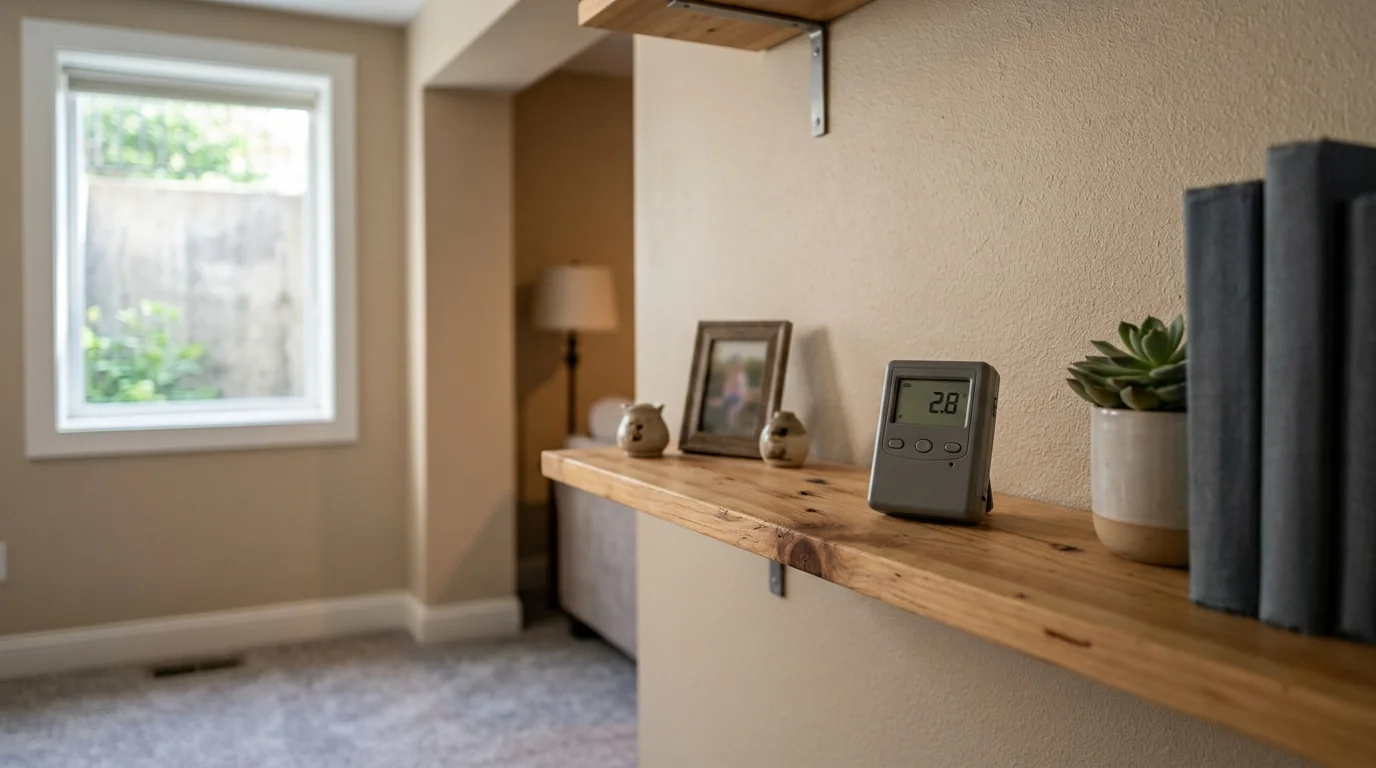
Short-term tests run two to seven days and give a quick answer. Long-term tests run 90 days or more and give a better picture of the yearly average. Either way, place the test on the lowest floor you live on, away from drafts, exterior walls and the furnace, and keep windows and doors closed as much as normal living allows.
Winter is a good time to test in Spokane, because a heated house draws more soil gas in and the result reflects the months you spend indoors with the windows shut.
What the numbers mean
The EPA recommends fixing a home at 4 pCi/L or higher and considering a fix between 2 and 4. A single short-term result well above 4 is a reason to act; a result near the line is a reason to retest, ideally with a long-term test.
There is no level of radon that is entirely safe, but bringing a home below 4, and usually below 2, is very achievable with a working system.
High radon result? we can price a system from your test.
Call (509) 404-0016How a mitigation system works
Most systems use sub-slab or sub-membrane depressurization: a pipe from under the floor or crawlspace membrane, an inline fan, and a discharge above the roof eave. The fan keeps the soil under the house at lower pressure than the rooms above it, so gas goes up the pipe instead of into the house.
A radon mitigation system also includes sealing the sump lid and major cracks, and a small gauge on the pipe that shows the fan is pulling.
Crawlspaces and older homes
Many older Spokane homes, including the roughly one in four city homes built before 1940, sit partly or fully over crawlspaces. Those get a heavy plastic membrane over the ground, sealed to the walls and piers, with the fan drawing from underneath. The membrane also helps with crawlspace moisture.
Homes with tight new windows and air sealing can hold radon in more than a drafty old house, so good balanced ventilation is worth discussing when a house has been tightened up.
After the system is in
Every system should be retested after it has run at least a day, so you have before and after numbers in writing. After that, glance at the gauge on the pipe now and then; if it reads zero, the fan has stopped.
Retest every couple of years, and after major work on the foundation or a basement finish, since new cracks or a weakening fan can let levels creep back up.
- Gauge reads zero: fan off or pipe blocked.
- Fan getting loud: bearings wearing out.
- Retest result rising: new cracks or a weak fan.
- Water in the pipe: a sag or condensation draining back.
Buying or selling a home
Radon tests are common during home sales here. If a home you are buying tests high, a mitigation system is usually a straightforward fix that can be priced before closing. If the home already has a system, check that the fan runs, the gauge reads and there is a recent test result. A home buyer HVAC inspection can look at the system along with the furnace and air conditioning.
More Spokane heating and cooling guides
Radon questions from Spokane homeowners
Does every Spokane house have high radon?
No. Levels vary from house to house even in a Zone 1 county. Only a test tells you your home's level.
Where should I put the radon test?
On the lowest floor you live on, away from drafts, exterior walls and the furnace, with the house closed up as usual.
Is a reading of 3 pCi/L worth fixing?
The EPA recommends considering a fix between 2 and 4 pCi/L. A long-term test helps you decide.
How long does a mitigation install take?
Most homes are done in a day, followed by a retest after the system has run for at least a day.
Will a radon system help my crawlspace moisture?
Yes. The sealed membrane used for radon also keeps ground moisture out of the crawlspace.
Got a high radon test?
Call about radon mitigation in Spokane, WA.